


The Need for Efficiency in Manufacturing
In today’s competitive business environment, manufacturing companies face the constant challenge of enhancing efficiency, reducing costs, and improving product quality. This requires a deep understanding of the complexities of manufacturing operations and the role of technology in streamlining these processes.
Complexity of Manufacturing Operations
Manufacturing operations are inherently complex, involving numerous interconnected processes such as procurement, production, inventory management, quality control, and distribution. These operations often require high levels of coordination and synchronization to ensure the smooth flow of materials and information.
The complexity of manufacturing operations is further amplified by factors such as diverse product lines, fluctuating demand, stringent regulatory requirements, and global supply chains. This calls for advanced solutions that can effectively manage these complexities while driving operational efficiency.
The Role of Technology in Streamlining Processes
Technology plays a critical role in streamlining manufacturing processes. It enables manufacturers to automate routine tasks, enhance process visibility, and make data-driven decisions. Among the various technological solutions available for manufacturers, Enterprise Resource Planning (ERP) software has emerged as a game-changer.
ERP software integrates all aspects of a manufacturing operation into a single, unified system. It allows manufacturers to monitor and manage their operations in real-time, thereby reducing inefficiencies, minimizing errors, and improving productivity. By providing a single source of truth for all operational data, ERP software enables manufacturers to gain insights into their operations, identify bottlenecks, and make informed decisions.
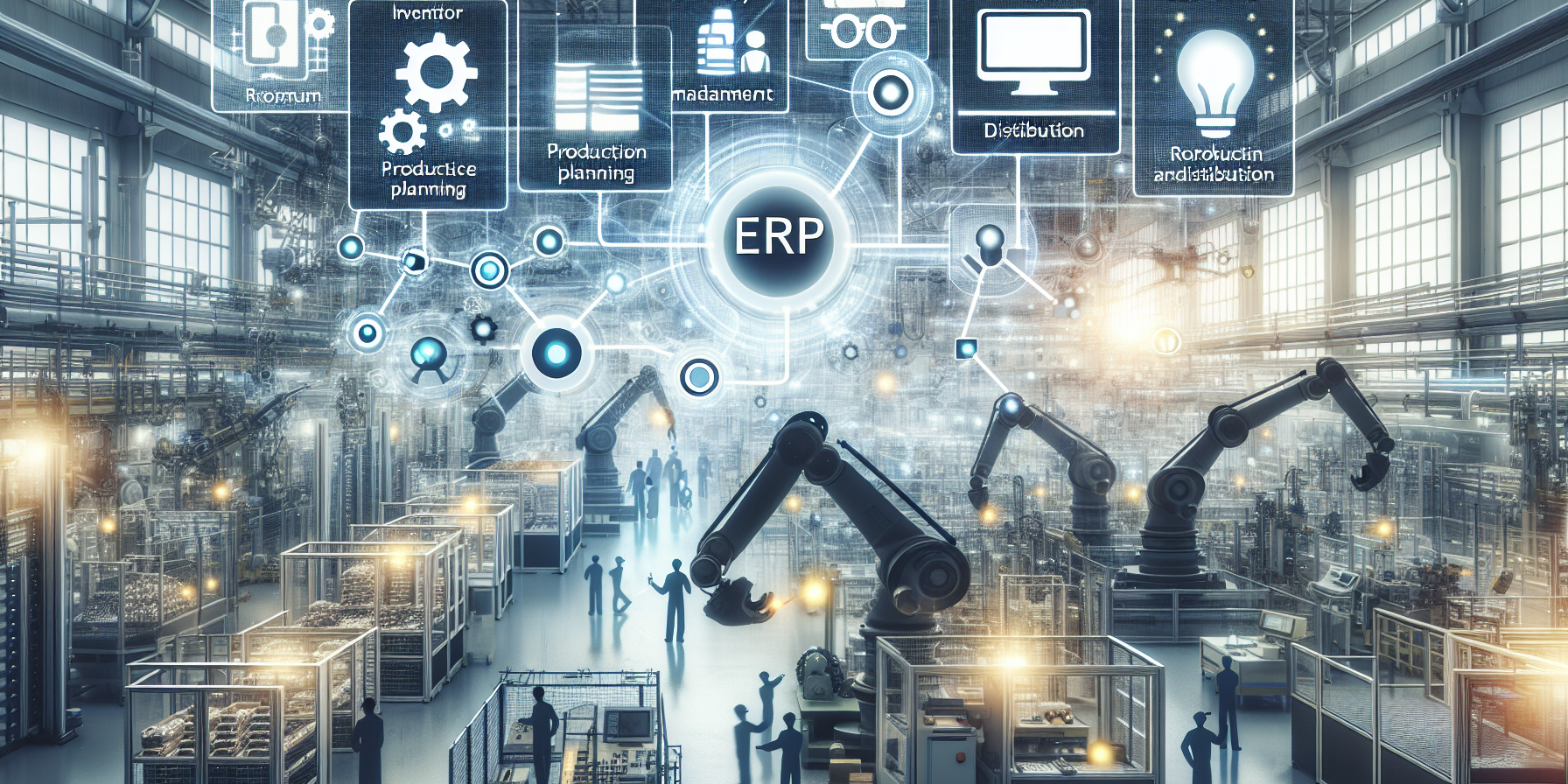
In the context of manufacturing, ERP software can be tailored to address the unique challenges and requirements of the industry. For instance, it can incorporate features for inventory management, production planning, quality control, and supply chain management, among others. This makes ERP software an essential tool for manufacturers seeking to supercharge their operations and achieve operational excellence.
Learn more about the role and benefits of ERP software in manufacturing in our detailed guide. Remember, the key to successful implementation lies in understanding your specific needs, preparing your team for change, and choosing the right ERP solution that aligns with your business objectives.
Understanding ERP Software
Before diving into the specifics of how ERP software can transform manufacturing operations, it’s important to establish a clear understanding of what ERP software is and how it operates in a general business context.
What is ERP Software?
ERP, or Enterprise Resource Planning, software is a comprehensive system designed to integrate various business functions into a unified platform. It serves as a centralized hub that manages and streamlines various aspects of a business, including accounting, human resources, customer relationship management, supply chain management, and more.
ERP software is built on a shared database that supports these multiple functions used by different business units. This means that employees in different departments can rely on the same information for their specific needs.
In the context of manufacturing, ERP software is tailored to address the unique needs of the industry. It manages everything from production planning and scheduling to inventory management and quality control. For a more detailed look at ERP in the manufacturing context, check out our article on enterprise resource planning in manufacturing.
How ERP Software Transforms Business Operations
The application of ERP software can bring about a significant transformation in business operations. It integrates disparate systems, enabling seamless communication and collaboration across departments. This leads to improved data accuracy, increased operational efficiency, and informed decision-making.
In the realm of manufacturing, the impact of ERP software is profound. It provides real-time visibility into operations, helping to track production processes, manage inventory levels, and maintain quality standards. By centralizing data and processes, ERP software eliminates data silos, reduces manual tasks, and minimizes errors.
Further, ERP software supports better forecasting and planning by providing access to accurate, real-time data. This enables manufacturers to respond quickly to changes in demand, manage resources efficiently, and avoid costly downtime.
The implementation of ERP software in manufacturing can lead to significant improvements in productivity, efficiency, and profitability. For a closer look at how ERP software can benefit your manufacturing operations, explore our article on manufacturing enterprise resource planning (erp) software.
All in all, ERP software serves as a powerful tool for businesses, especially in the manufacturing sector, enabling them to streamline processes, improve efficiency, and make data-driven decisions.
ERP in the Manufacturing Industry
In the manufacturing sector, streamlining operations and optimizing resource utilization are critical for success. ERP software plays a key role in achieving these objectives.
How ERP Software is Tailored for Manufacturing
ERP software in manufacturing is customized to address the complex needs of the industry. It integrates various functions like inventory management, production planning, quality control, and supply chain management into a unified system. This holistic approach simplifies the management of manufacturing operations and ensures real-time access to vital information.
The software is designed to handle the intricacies of manufacturing processes, from the procurement of raw materials to the delivery of finished goods. It supports various manufacturing modes like discrete, process, and mixed-mode manufacturing, providing flexibility and adaptability to diverse manufacturing environments. Check out our detailed article on enterprise resource planning in manufacturing for more insights.
Key Features of ERP Software in Manufacturing
When evaluating ERP software for manufacturing, there are several key features to consider, including:
- Inventory Management: This feature allows for accurate tracking and management of raw materials, work-in-progress, and finished products. It helps to avoid overstocking or understocking, thus optimizing inventory levels.
- Production Planning and Scheduling: ERP software enables efficient planning and scheduling of production activities based on real-time insights into demand, supply, and capacity constraints.
- Quality Control: The software facilitates systematic quality checks at various stages of the manufacturing process, ensuring that the finished products meet the desired quality standards.
- Supply Chain Management: ERP software offers robust supply chain management capabilities, such as vendor management, procurement, and logistics, to ensure a seamless flow of materials and information.
- Real-time Analytics and Reporting: ERP systems provide real-time data analytics and reporting features, offering valuable insights for informed decision-making.
| Key Feature | Description |
|---|---|
| Inventory Management | Accurate tracking and management of materials and products |
| Production Planning and Scheduling | Efficient planning based on real-time insights |
| Quality Control | Systematic quality checks at various stages |
| Supply Chain Management | Seamless flow of materials and information |
| Real-time Analytics and Reporting | Valuable insights for informed decision-making |
Implementing ERP software in manufacturing operations can bring about significant improvements in efficiency, productivity, and profitability. Visit our comprehensive guide on manufacturing enterprise resource planning (erp) software to explore more about how ERP can supercharge your manufacturing operations.
Digitize your manufacturing process 10x faster at one-tenth the cost
 Instantly create & manage your process Use AI to save time and move faster Connect your company’s data & business systems
Benefits of Implementing ERP Software in Manufacturing
The deployment of ERP software in manufacturing can yield numerous benefits. They enhance the efficiency of operations, improve quality management, and strengthen lean and six sigma processes.
Increased Operational Efficiency
ERP software is a tool designed to optimize operational efficiency in manufacturing. By integrating various processes across departments, it provides a unified platform for the management of resources, order processing, inventory tracking, and supply chain operations.
One of the most significant benefits of ERP software is the reduction in manual tasks. This automation not only saves time but also eliminates the chances of human error, leading to more accurate and efficient operations.
Moreover, ERP systems provide real-time data, facilitating quicker decision-making and allowing managers to take proactive measures to enhance productivity. For more insights on how ERP increases operational efficiency, read our article on enterprise resource planning in manufacturing.
Improved Quality Management
Quality management is an integral part of manufacturing operations. An ERP system enables manufacturers to uphold their quality standards consistently.
These systems can track production in real-time, identifying any deviations from the standard processes immediately. They can also manage quality inspections, document control, and non-conformance reporting in a systematic manner.
By incorporating quality management into the ERP system, manufacturers can ensure that quality is not an afterthought but an integral part of the process. This leads to improved product quality, customer satisfaction, and regulatory compliance. Explore more about this aspect in our manufacturing enterprise resource planning (erp) software article.
Enhanced Lean and Six Sigma Processes
ERP systems can significantly enhance the implementation of lean and Six Sigma methodologies in manufacturing. These methodologies aim at reducing waste and improving process efficiency.
An ERP system provides the data required to analyze process performance comprehensively. It can track Key Performance Indicators (KPIs), identify areas of waste, and monitor the effects of process improvements.
By providing a clear visibility into operations, ERP software empowers manufacturers to deploy lean and Six Sigma strategies effectively. It aids in identifying inefficiencies, implementing improvements, and sustaining those improvements over time. To understand how ERP can support these methodologies, refer to our detailed article on erp for manufacturing.
In conclusion, the benefits of implementing ERP software in manufacturing are manifold. It provides a holistic approach to managing operations, ensuring consistent quality, and continuously improving processes. The investment in ERP software can significantly enhance the performance and competitiveness of manufacturing firms.
Factors to Consider When Implementing ERP Software
The successful implementation of ERP software in a manufacturing environment requires thoughtful planning and preparation. It’s not just about choosing the right software; it’s about understanding the unique needs of your organization, preparing for the implementation process, and training your team for success.
Understanding Your Needs
Before implementing ERP software in manufacturing, it’s crucial to understand your specific needs. What processes do you need to streamline? What data do you need to better manage your operations? By identifying your needs, you can select the best ERP software that aligns with your business goals.
Consider conducting a thorough analysis of your current processes, identifying inefficiencies and areas for improvement. This will help you clearly define what you’re looking for in an ERP system. For more information on how ERP can enhance your operations, check out our article on enterprise resource planning in manufacturing.
Preparing for Implementation
Once you’ve identified your needs and selected the right ERP software, the next step is to prepare for the implementation process. An ERP system is a significant investment and can have a profound impact on your operations, so it’s vital to plan carefully.
Start by creating a detailed implementation plan, outlining the steps you’ll take from initial setup to full deployment. This should include a timeline, milestones, responsibilities, and resources required. Also, ensure you have a contingency plan in place to handle any potential issues that may arise during the implementation process.
Keep in mind that implementing ERP software is not a one-time event but a continuous process of improvement. Regularly review your system’s performance and make adjustments as necessary to ensure it continues to meet your needs. For more insights on this process, take a look at our guide on manufacturing enterprise resource planning (ERP) software.
Training Your Team for Success
Implementing ERP software is not just a technical process but also a cultural shift for your organization. It’s essential to train your team on how to use the new system effectively to make the most of your investment.
Develop a comprehensive training plan that covers all aspects of the ERP system. This should include hands-on training, user manuals, and ongoing support to help your team adapt to the new system. Remember, the success of your ERP implementation largely depends on the people using it, so invest in their training and development.
Also, consider appointing an ERP champion within your team – someone who is knowledgeable about the system and can provide support and guidance to other users. This can help to increase user adoption and improve the overall effectiveness of your ERP system. For more tips on implementing ERP in a manufacturing setting, check out our article on ERP for manufacturing.
By understanding your needs, preparing for implementation, and training your team, you can successfully implement an ERP system that enhances your manufacturing operations and contributes to your business success. Keep these factors in mind as you embark on your ERP journey.
Common Challenges and How to Overcome Them
While implementing ERP software in manufacturing can offer a multitude of benefits, it also presents certain challenges. By anticipating potential hurdles and adopting best practices, these challenges can be effectively managed.
Anticipating Potential Hurdles
To successfully implement ERP software, it’s crucial to anticipate potential hurdles. Here are some common challenges:
- Resistance to Change: Employees often resist changes, especially when it involves the introduction of new technology. This can slow down the implementation process and create hurdles in the smooth functioning of the ERP system.
- Complexity of Implementation: ERP systems are complex and setting them up can be a time-consuming process. This complexity can lead to errors and delays if not managed properly.
- Cost Overruns: Implementing ERP systems can be expensive. Unforeseen issues can lead to delays and increased costs.
- Data Migration Challenges: Moving data from old systems to the new ERP system can be a complicated and risky process. If not done correctly, it can lead to data loss or corruption.
Best Practices for Smooth Implementation
To overcome these challenges, here are some best practices to ensure a smooth implementation of ERP software:
- Effective Change Management: This involves educating employees about the benefits of ERP software and how it can make their jobs easier and more efficient. By involving employees in the process and addressing their concerns, resistance to change can be minimized.
- Detailed Planning: A detailed implementation plan can help manage the complexity of the ERP setup. This includes a clear timeline, assigned roles and responsibilities, and a defined budget.
- Proper Cost Management: Regular monitoring of the implementation process can help control costs. By identifying and addressing issues early, cost overruns can be avoided.
- Expert Data Migration: Use experts for data migration to ensure that data is correctly transferred from old systems to the new ERP system. Back up all data before migration to prevent any data loss.
Implementing ERP software in manufacturing operations can be a challenging process, but with careful planning and management, these challenges can be overcome. To learn more about ERP for manufacturing, visit our article on manufacturing enterprise resource planning (erp) software.
Digitize your manufacturing process 10x faster at one-tenth the cost
Instantly create & manage your process Use AI to save time and move faster Connect your company’s data & business systems
