


 Dylan Hoback
Accu-Tube
Dylan Hoback
Accu-Tube
My Praxie analytics software transformed our operations, enabling data-driven decisions and streamlining our manufacturing process.

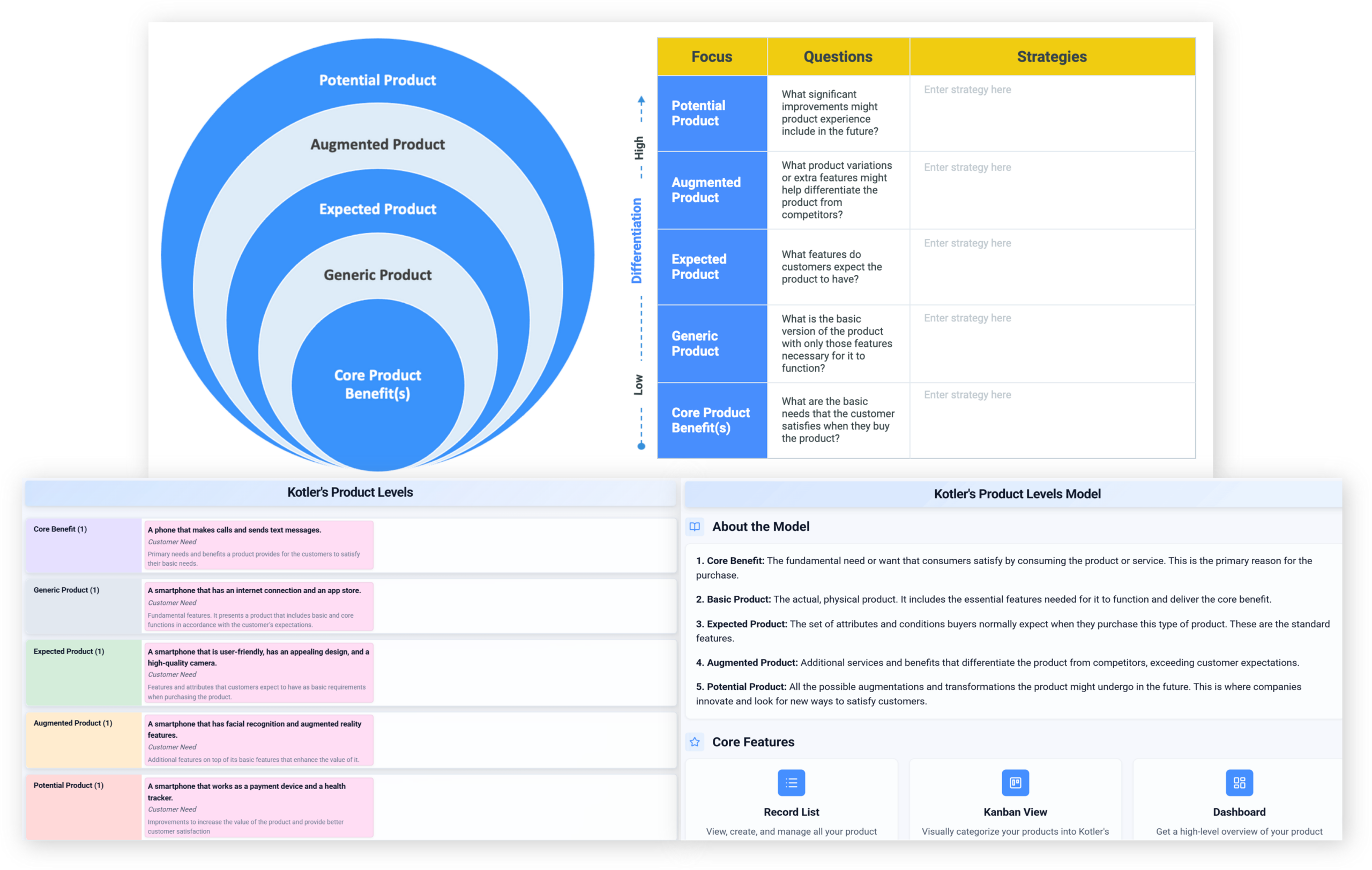
Replace a positioning exercise done once on slides with AI that maps your product from core benefit to potential product against real customer evidence — and keeps it current as the market moves.
AI product level analysisfor product and marketing leaders
Customer Success Stories
Dylan Hoback
Accu-Tube
“My Praxie analytics software transformed our operations, enabling data-driven decisions and streamlining our manufacturing process.
 Jason Carpenter
Environmental Pest Management
Jason Carpenter
Environmental Pest Management
“With Praxie, I found a way to take what was in documents and spreadsheets and provide my team with a visual application environment to drive our strategy with full accountability.
 Elizabeth Pridham
Perfection Fresh
Elizabeth Pridham
Perfection Fresh
“Praxie dramatically improved our process through digital transformation. We now have visibility and can drive decisions at a fraction of the time.
 Scott Russell
NUCOR Vulcraft
Scott Russell
NUCOR Vulcraft
“I would heartily recommend the Praxie team to any organization seeking to seriously undertake a lasting and successful innovation process.
 Mike Bainbridge
Dover Food Retail
Mike Bainbridge
Dover Food Retail
“Our MFG Ops application greatly improved our daily management initiatives. It is easy to see how we are doing, identify issues, and track improvements—no matter where we sit.
 Jeff Piotrowicz
ChemLink
Jeff Piotrowicz
ChemLink
“With Praxie we've created a way to report on complex projects that gives management full visibility. Executives have visibility to projects, assignments, and more at their fingertips.
 Maureen Thompson
American Nurses Association
Maureen Thompson
American Nurses Association
“Our Praxie App makes it easy to track progress on strategic objectives across the organization and includes an executive-level dashboard with real-time reports to the board on key initiatives.
 Tom Anderson
Springfield Armory
Tom Anderson
Springfield Armory
“Praxie is used every day to track and analyze every aspect of production, quality, safety, and more. We improved quality by 10%.
 Peggie Pelosi
Innovators Alliance
Peggie Pelosi
Innovators Alliance
“Almost overnight, Praxie created a customized solution for our 100 member organizations across Canada to drive strategy and innovation.
 Kate Merton
Anthem
Kate Merton
Anthem
“Praxie's innovation solution stood out from other options because it can be customized so quickly to fit our exact process requirements. Plus, it is incredibly easy to use and manage.
Dylan Hoback
Accu-Tube
“My Praxie analytics software transformed our operations, enabling data-driven decisions and streamlining our manufacturing process.
Jason Carpenter
Environmental Pest Management
“With Praxie, I found a way to take what was in documents and spreadsheets and provide my team with a visual application environment to drive our strategy with full accountability.
Elizabeth Pridham
Perfection Fresh
“Praxie dramatically improved our process through digital transformation. We now have visibility and can drive decisions at a fraction of the time.
Scott Russell
NUCOR Vulcraft
“I would heartily recommend the Praxie team to any organization seeking to seriously undertake a lasting and successful innovation process.
Mike Bainbridge
Dover Food Retail
“Our MFG Ops application greatly improved our daily management initiatives. It is easy to see how we are doing, identify issues, and track improvements—no matter where we sit.
Jeff Piotrowicz
ChemLink
“With Praxie we've created a way to report on complex projects that gives management full visibility. Executives have visibility to projects, assignments, and more at their fingertips.
Maureen Thompson
American Nurses Association
“Our Praxie App makes it easy to track progress on strategic objectives across the organization and includes an executive-level dashboard with real-time reports to the board on key initiatives.
Tom Anderson
Springfield Armory
“Praxie is used every day to track and analyze every aspect of production, quality, safety, and more. We improved quality by 10%.
Peggie Pelosi
Innovators Alliance
“Almost overnight, Praxie created a customized solution for our 100 member organizations across Canada to drive strategy and innovation.
Kate Merton
Anthem
“Praxie's innovation solution stood out from other options because it can be customized so quickly to fit our exact process requirements. Plus, it is incredibly easy to use and manage.


Running the workshop was the easy part. Checking the answer against what buyers actually say is the job.
“Why are we losing on a dimension we do not even market?”
“We bought it for a reason that is not on your website.”
A positioning deck from two years ago, still being presented.
You do not need another workshop. You need the positioning to be tested against evidence — and refreshed as it moves.
Most product and marketing leaders recognise at least four of these. If you recognise six, the rest of this page is written for you.
None of this is a strategy problem. It is an evidence problem.
Is this you?
Worked example — multi-product portfolioSeveral products, a positioning workshop per launch, and customer research filed after it was presented.
Because the model was built from internal opinion and then frozen, the stated core benefit drifted from what buyers actually valued — and nobody noticed until win rates moved.
With customer evidence mapped onto each product level continuously, positioning is tested rather than asserted, and the gap between what you market and what people buy becomes visible.
A deck from two years ago.
Positioning tested against evidence.
Define the real benefit customers buy.
Cut time from idea to positioned offering.
Stand out from competitors at every level.
Meet and exceed customer expectations.
Cover every level from core to potential product.
Turn product levels into a lasting advantage.
Which product do customers value differently than you expected?
Now select a day and time below.
The objections we hear in the first 20 minutes — answered plainly.
Answer: The AI helps product teams make better decisions by analyzing customer needs, feedback, competitors, and market trends across all five levels. Recommendations are explainable, so teams can see why a benefit or feature matters and stay in control of every strategy decision.
Answer: Yes. The AI highlights unmet needs, weak differentiators, and gaps between expected and augmented product levels before competitors exploit them. This helps teams shift from reactive, me-too products to clearly differentiated offerings.
Answer: The AI can help map, categorize, and prioritize features across all five levels based on customer value, differentiation, demand, and effort. Teams get a clearer view of what to build first and why.
Answer: Yes. The system analyzes patterns across customer feedback, surveys, reviews, and win/loss data to identify unmet needs, valued differentiators, and improvement opportunities across segments, markets, and offerings.
Answer: Yes. Slides and static templates store a diagram but do not actively interpret it. An AI-powered workspace connects customer data, the five levels, and market insight so teams can spot opportunities, refine positioning, and continuously improve differentiation.
Send us one product and what customers say about it. We’ll show you what Praxie would map — your levels, your evidence, your gaps.
No cost, no obligation — and you keep what we find either way.