


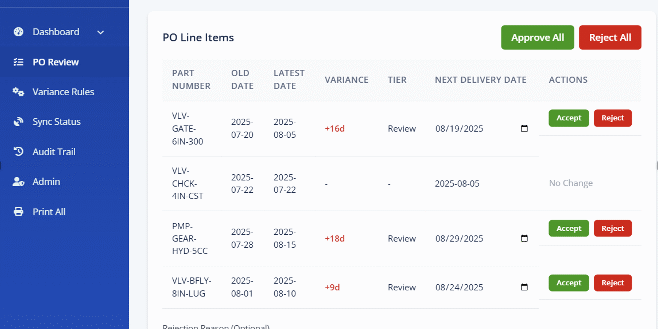
Purchase order tracking software is more than just a convenient way to keep tabs on procurement activities. It can completely reshape how you manage your organization’s finances by giving you real-time visibility into purchasing commitments, supplier performance, and looming cash flow concerns. When everything from goods received to spend trends is organized in a single dashboard, you gain the power to make informed decisions before problems arise. This proactive approach allows your finance team to maintain healthier working capital, avoid unpleasant surprises, and build stronger relationships with suppliers.
In many finance departments, limited oversight of open purchase orders leads to guesswork and late reactions. Without clear tracking, you might pay for goods or services you no longer need, miss out on volume discounts, or struggle to match invoices with actual deliveries. By using a robust tracking solution, you can tie each open order to real-time data on received items, pending shipments, and remaining commitments. Once you see the streamlined process in action, you realize how much time, money, and stress you can save.
Praxie’s Cash Flow Analysis app stands out as a powerful example of how you can link open purchase orders, incoming goods, and spend trends in one central place. With features like time and status filters, progress indicators, and month-over-month or year-over-year comparisons, it highlights critical cash flow risks and supplier performance gaps that might otherwise go unnoticed. It also pinpoints upcoming commitments so you can plan ahead, negotiate more effectively, and optimize your capital allocation. Ultimately, purchase order tracking software is your key to staying a step ahead in an increasingly fast-paced business environment.
Understand purchase order tracking software
Purchase order tracking software is designed to bring every stage of your procurement process into one integrated system. You gain clarity over the status of each purchase order and insight into how it ties back to your budget and cash flow. Instead of juggling spreadsheets and emails, you navigate a centralized dashboard that keeps all data at your fingertips.
Yet you might wonder, what truly sets this software apart from basic recordkeeping? The answer lies in automation and real-time analytics. Rather than manually updating a spreadsheet whenever something changes, the software syncs with your existing finance or enterprise resource planning (ERP) system to track open and closed orders in real time. This ensures you’re able to see the most current status of your orders — from the moment you raise a request to the final payment stage.
Another key advantage is that automated alerts and progress indicators let you know when orders are delayed or when you risk overspending. These updates allow you to adjust purchase quantities or negotiate new delivery windows. In turn, you can protect your working capital and sidestep potential stockouts or overstocking scenarios.
You also get the chance to analyze purchase trends. When the platform monitors your spend patterns, it can highlight areas where you’re overspending or missing potential discounts. Maybe you’re ordering too often from a supplier that’s facing performance issues. With dynamic analytics, purchase order tracking software reveals cost-saving opportunities you might otherwise overlook.
How it transforms your workflow
By consolidating your procurement information into a single interface, the software lifts administrative burden from your team. Manual data entry becomes less time-consuming, and risk of human error decreases. You also avoid communication breakdowns between finance, procurement, and warehouse teams. Everyone shares access to the same real-time database rather than outdated, individual spreadsheets.
Ultimately, you can incorporate automated approvals, digital signatures, and status updates that keep everyone aligned. No more frantic phone calls to confirm purchase orders or decipher shipping statuses. Instead, your team collaborates efficiently, knowing exactly where each dollar is allocated — and why.
Discover real-time visibility benefits
Real-time visibility is one of the biggest game-changers when you adopt purchase order tracking software. Instead of waiting until month-end reports to see how much you’ve spent or where you stand on committed budgets, you gain up-to-the-minute details on every open order, every delivery, and every invoice in process. This level of clarity helps you take action faster.
The All-in-One AI Platform for Orchestrating Business Operations
 Instantly create & manage your process Use AI to save time and move faster Connect your company’s data & business systems
Imagine knowing exactly which purchase orders are scheduled to ship this week and which suppliers have delivered in full, partially, or not at all. You can spot red flags such as chronically late deliveries or incomplete shipments early on, rather than discovering them when your production line faces a shortage. Observing these patterns in real time prompts you to contact suppliers promptly, negotiate better terms, or shift orders to a different vendor if needed.
You also save valuable time when finance teams can quickly match purchase orders to invoices. Rather than combing through piles of documents, you have a clear record of what was ordered, what was received, and what was billed. Any discrepancies, such as extra fees or missing items, are easier to catch. This helps control maverick spending and ensures your organization pays only for what it has actually approved and received.
Maximizing the power of a live dashboard
A real-time dashboard visualizes key metrics like total spend, open orders, and outstanding commitments in a way that’s easy to understand. Some software solutions also allow you to customize these dashboards, so you can highlight the data that matters to your role. If you’re a procurement manager, you might focus on upcoming deliveries and supplier performance. If you’re a finance lead, you might prefer to emphasize outstanding invoices and budget thresholds.
In any case, the dashboard acts as your single source of truth. It reduces conflicting versions of spreadsheets and fosters more productive meetings. Instead of wasting half the discussion trying to align data or sort out discrepancies, you center conversations on solutions and new opportunities to optimize spending.
Identify and address cash flow risks
If your team seldom updates purchase order statuses, your cash flow projections can quickly become unreliable. You risk committing funds that haven’t been properly accounted for or missing out on favorable payment terms. With purchase order tracking software, you can see precisely how your current and future obligations stack up against actual cash on hand.
One of the biggest advantages involves analyzing month-over-month or year-over-year trends. By comparing how much you’re committing to purchases in various time frames, you can detect unusual spikes that deserve investigation. For instance, you might notice that your direct materials spend jumps dramatically during certain months. By catching these patterns early, you can discuss better payment schedules or volume discounts with your suppliers.
Moreover, you’ll reduce surprise expenses. Picture a scenario where you have an agreed-upon price, but the supplier tacks on extra charges. Without consistent tracking, you may only discover these charges after payment has already been processed. Purchase order tracking software checks every invoice item against the agreed order details, flagging inconsistencies before funds are transferred.
How Praxie’s Cash Flow Analysis app adds clarity
Praxie’s Cash Flow Analysis app extends these capabilities by linking real-time data to sophisticated analytics. You gain time and status filters that break down what stage each order is in and how it aligns with your available capital. Instead of simply seeing that you have a large sum committed, you can drill into specifics: which orders are partially fulfilled, which are delayed, and when you can expect large sums to become due.
Progress indicators show you where each purchase order stands — from draft to approved, from shipment to delivery — so you know exactly when to tie payments to goods received. With this level of detail, you can hold suppliers accountable, optimize your payment schedule, and project your short-term liquidity needs more accurately.
The app’s ability to highlight upcoming commitments is another major benefit. When you clearly see what obligations are on the horizon, you can schedule part of your budget accordingly, ensuring there’s enough cash flow to cover vital operational costs. This is particularly valuable if your organization tends to face seasonal swings in revenue or if you manage a tight budget cycle.
Strengthen supplier performance tracking
Suppliers aren’t just service providers, they’re business partners that can either support or undermine your profitability. If you’re forced to repeatedly place rush orders because a supplier is slow or inconsistent, you pay the price in higher shipping fees, overtime costs, or delayed product launches. Purchase order tracking software helps you measure each supplier’s impact on your operations, giving you the tools to make better partnership decisions.
By tying purchase orders to on-time delivery rates, partial shipments, and quality checks, you build a comprehensive supplier scorecard over time. In many cases, small supplier issues go unnoticed until they escalate. For example, if you see that a supplier’s tardiness has slowly gone from an occasional hiccup to a regular occurrence, that’s a clear signal you need to re-evaluate your contract or find an alternative vendor.
Building a data-driven supplier strategy
This level of performance tracking empowers you to negotiate from a position of strength. You have evidence-based insights into how often a supplier meets commitments, what issues repeatedly occur, and how their pricing compares to industry benchmarks. You can then discuss potential improvements, renegotiate terms, or consolidate orders to secure volume discounts.
Additionally, these insights help you manage supplier risks more effectively. For high-stakes or critical suppliers, you can integrate specialized supplier risk management software to gain a deeper view of potential financial or operational vulnerabilities. The result is a holistic approach whereby procurement decisions align closely with business objectives, protecting both your bottom line and your supply chain.
Optimize working capital management
Effective use of purchase order tracking software doesn’t just enhance procurement. It significantly influences how you manage working capital. By having a consolidated view of your outstanding commitments, you can balance the timing of payments, incoming revenue, and operational expenses more effectively. This ensures that you have the cash you need for daily operations without tying up too many resources in inventory or prepayments.
One scenario that often troubles finance teams is uncertain lead times. If you can’t predict when your inventory will arrive or how quickly suppliers will invoice, you might leave too much capital idle in your bank account or scramble to free up funds when invoices arrive unexpectedly. Accurate tracking tools alleviate this guesswork by showing advanced indicators of when your orders are confirmed, shipped, or delivered.
Aligning forecasts with real orders
With the right software, your forecasting can incorporate actual purchase order data. Instead of using rough estimates or generalized historical data, you factor in the precise open orders, their delivery timelines, and your known costs. This means your cash flow forecast is grounded in real commitments.
Let’s say month-by-month you expect to spend a certain amount on raw materials. If you see an unexpected spike in open purchase orders for a given month, you can adjust your forecast and allocate some extra funds or negotiate extended payment terms. Conversely, if those orders shift to a later period, you can redirect those resources to other pressing needs.
By managing working capital in this proactive manner, you stay agile. You reduce the risk of running short on cash just before a big invoice is due, and you ensure that extra funds can be deployed where they have the highest return on investment — whether that’s new product development, hiring, or marketing.
Key takeaways for finance teams
When integrated effectively, purchase order tracking software contributes to a leaner, more intelligent finance function. It does so by making essential data visible and actionable, whether you’re managing day-to-day purchases or planning for long-term growth.
- Centralized data means fewer mistakes.
You avoid duplicating entries or overlooking key details because your entire finance and procurement workflow is integrated. This reduces errors that can lead to costly invoice discrepancies or delayed payments. - Real-time insights improve responsiveness.
You can address supply chain disruptions before they escalate. Take advantage of month-over-month or year-over-year reports to spot unusual spending patterns or looming cash flow gaps, and make adjustments in time. - Supplier performance visibility fosters strong partnerships.
Tracking late deliveries, partial shipments, and cost overruns lets you either improve your current supplier relationships or identify more reliable partners. In either case, you drive efficiency and savings that carry over into your overall operations. - Proactive risk management is possible.
By examining your commitments and projected expenses in advance, you can mitigate working capital constraints. Detailed dashboards show exactly when large sums come due, so you’re never caught off-guard and can maintain a stable financial position.
Considering your next step
Implementing a solution like Praxie’s Cash Flow Analysis app offers a powerful glimpse into how technology can simplify and elevate your procurement and finance processes. From tracking open purchase orders to linking how much you’ve received against what remains to be delivered, the tool supports informed budgeting and strong cost control.
You also gain peace of mind by knowing precisely where cash could be tied up in the near future. That means avoiding shortfalls, protecting liquidity, and operating with the certainty that your purchasing decisions align with strategic objectives. If your organization still relies on outmoded systems or manual tracking, now is the perfect time to transition to a more advanced, user-friendly solution.
Moving forward with confidence
If you’re ready to optimize how you manage purchase orders and stay ahead of potential financial hurdles, purchase order tracking software is an investment that pays dividends almost immediately. You’ll protect working capital, safeguard against unnecessary expenses, and cultivate stronger supplier relationships — all while freeing your team from tedious, repetitive data entry.
Consider beginning with a trial or demo to see how efficiently the software can integrate into your existing processes. Train your team to treat the dashboard as their go-to resource and encourage them to make decisions based on the metrics it provides. In doing so, you unlock a more agile, data-driven approach to finance that keeps you well-prepared for both day-to-day challenges and future milestones.
Remember, the goal isn’t merely to monitor the procurement process. It’s to lead it to new levels of effectiveness. By spotting the early signs of potential issues, you can pivot and protect your bottom line. By analyzing spend trends, you can pursue better pricing and strengthen vendor relationships. And, by continually refining how you handle purchase orders, you position your organization to grow without the friction that often comes with scaling operations.
All these benefits come together when you adopt the right platform. With purchase order tracking software and the robust features of Praxie’s Cash Flow Analysis app, you give yourself the best chance to maintain healthy cash flow and stable, transparent supplier relationships. And that’s a positive impact any finance team can appreciate.
The All-in-One AI Platform for Orchestrating Business Operations
Instantly create & manage your process Use AI to save time and move faster Connect your company’s data & business systems
