


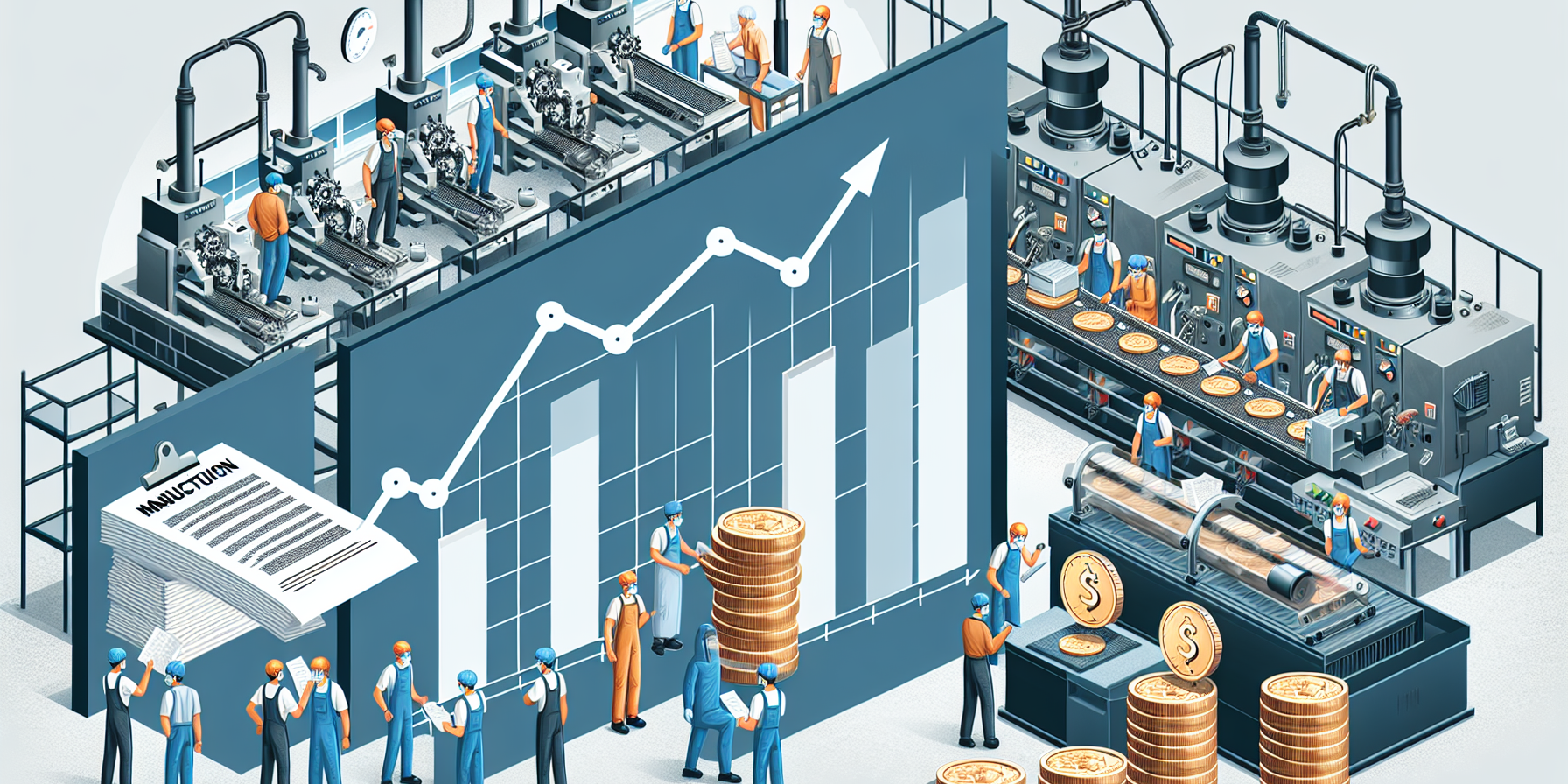
Appraisal Costs in Manufacturing
In the realm of manufacturing, appraisal costs play a significant role in ensuring product quality and customer satisfaction. Let’s dive into the understanding of appraisal costs and grasp their importance in the intricate web of manufacturing processes.
Understanding Appraisal Costs
Appraisal costs encompass the expenses incurred to evaluate, inspect, and assess products or processes to determine their adherence to quality standards. These costs are essential in detecting and preventing defects or non-conformities before products reach customers, thus safeguarding brand reputation and customer trust.
Appraisal costs can manifest in various forms, including quality control inspections, testing procedures, and audits to verify compliance with specifications. By investing in appraisal activities, manufacturers can identify and rectify potential quality issues early, saving resources that would otherwise be lost in addressing post-production defects.
Importance of Appraisal Costs in Manufacturing Processes
The significance of appraisal costs in manufacturing cannot be overstated. By implementing robust quality control measures through appraisal activities, manufacturers can proactively identify defects, ensure consistent product quality, and enhance overall operational efficiency.
Appraisal costs contribute to minimizing the occurrence of non-conformities, reducing rework and scrap, and optimizing production processes. Moreover, a focus on appraisal costs aligns with the goal of continuous improvement and the pursuit of excellence in product quality.
Understanding the impact and necessity of appraisal costs is key to fostering a culture of quality consciousness within manufacturing environments. By prioritizing appraisal activities and investing in effective appraisal strategies, manufacturers can elevate their products to meet and exceed customer expectations while driving sustainable growth and profitability.
Types of Appraisal Costs
In the realm of manufacturing, appraisal costs play a crucial role in ensuring the quality and reliability of products. These costs are associated with the assessment and evaluation of goods to meet predefined standards. Let’s delve into the specific types of appraisal costs: inspection costs, testing costs, and quality audits.
Inspection Costs
Inspection costs encompass the expenses incurred to examine and assess raw materials, components, and final products for quality compliance. This meticulous scrutiny involves various techniques such as visual inspections, measurements, and sample testing. By identifying and rectifying defects early in the production process, inspection costs contribute to minimizing rework and enhancing overall product quality.
Testing Costs
Testing costs refer to the expenditures related to conducting in-depth examinations and analyses of products to validate their performance and durability. These tests can range from functionality assessments to stress testing under simulated conditions. By investing in rigorous testing protocols, manufacturers can detect potential flaws, ensure product longevity, and uphold customer satisfaction.
Quality Audits
Quality audits involve systematic reviews and evaluations of manufacturing processes, quality management systems, and adherence to regulatory standards. These audits aim to identify areas of improvement, validate compliance with quality protocols, and enhance operational efficiency. By conducting regular quality audits, manufacturers can proactively address deviations, mitigate risks, and foster a culture of continuous improvement.
Embracing comprehensive appraisal processes, including inspection, testing, and quality audits, is paramount for manufacturers striving to deliver products that meet or exceed customer expectations. Each type of appraisal cost plays a unique role in safeguarding product quality, mitigating risks, and ultimately bolstering the reputation and success of manufacturing operations. For more insights on quality costs and their impact on production processes, visit our article on quality costs in production.
Calculating Appraisal Costs
In manufacturing processes, calculating appraisal costs is a critical aspect of quality control efforts. Appraisal costs encompass various components, including direct labor costs, equipment and tooling costs, and overhead costs.
Direct Labor Costs
Direct labor costs are associated with the human resources directly involved in the appraisal activities. These costs encompass the wages, benefits, and training expenses of the employees responsible for inspecting, testing, and conducting quality audits. By ensuring that skilled personnel are allocated to these tasks, manufacturing organizations can enhance the accuracy and efficiency of their quality control processes.
Equipment and Tooling Costs
Equipment and tooling costs pertain to the resources required to perform appraisal activities effectively. This includes expenses related to inspection tools, testing equipment, calibration devices, and other technological assets utilized in quality assurance procedures. Investing in state-of-the-art equipment and ensuring regular maintenance not only improves the reliability of appraisal results but also contributes to long-term cost efficiency.
| Type of Equipment | Cost |
|---|---|
| Inspection Tools | $10,000 |
| Testing Equipment | $25,000 |
| Calibration Devices | $5,000 |
| Total | $40,000 |
Overhead Costs
Overhead costs represent the indirect expenses incurred during the appraisal process that are not directly attributable to labor or equipment. These costs include facility-related expenses, administrative overhead, utilities, and other miscellaneous costs associated with maintaining the quality control infrastructure. Effectively managing overhead costs is essential for optimizing the overall appraisal cost structure while ensuring that the quality control measures remain robust and effective.
By understanding and accurately calculating the components of appraisal costs, manufacturing organizations can make informed decisions regarding resource allocation, process improvement initiatives, and overall quality management strategies. Integrating advanced quality control technologies and providing continuous training to personnel are key strategies for enhancing the efficiency and effectiveness of appraisal processes in manufacturing environments. For more insights into managing quality costs effectively, explore our article on quality costs in production.
Digitize your manufacturing process 10x faster at one-tenth the cost
 Instantly create & manage your process Use AI to save time and move faster Connect your company’s data & business systems
Appraisal Costs vs. Prevention and Failure Costs
In the realm of manufacturing, the interaction between different types of quality costs is a critical aspect that significantly impacts the overall operational efficiency and product quality. Specifically, understanding the relationship between appraisal costs, prevention costs, and failure costs is essential for manufacturing plant managers and IT directors looking to optimize their production processes.
Relationship Between Different Quality Costs
Quality costs are traditionally categorized into four main types: appraisal costs, prevention costs, internal failure costs, and external failure costs. Appraisal costs, incurred to assess the quality level of products, serve as a proactive measure to identify defects before they reach the customer. On the other hand, prevention costs focus on preventing defects from occurring in the first place through measures like training, process improvement, and quality control.
Balancing Appraisal Costs with Prevention and Failure Costs
Balancing the costs associated with appraising the quality of products, preventing defects, and addressing failures is a delicate yet crucial task for manufacturing decision-makers. While appraisal costs are necessary for ensuring that products meet quality standards, over-reliance on these costs alone can lead to increased expenditure without addressing the root causes of defects.
To effectively manage quality costs, a strategic approach is required. By investing in prevention measures upfront, such as advanced quality control technologies and comprehensive training programs for personnel, manufacturing plants can reduce the likelihood of defects and subsequent failure costs. This proactive stance not only enhances product quality but also minimizes the need for extensive appraisal activities.
In essence, a harmonious balance between appraisal costs, prevention costs, and failure costs is key to optimizing the manufacturing process. By strategically allocating resources to appraisal activities while concurrently focusing on prevention measures, manufacturing plants can streamline their quality control processes, enhance product quality, and reduce overall operational costs. For more insights on quality cost management within manufacturing, explore our article on quality costs in production.
Strategies to Manage Appraisal Costs
In the realm of manufacturing, controlling and optimizing appraisal costs is crucial for maintaining operational efficiency and product quality. Two key strategies that manufacturing plant managers and IT directors can implement to manage appraisal costs effectively are by utilizing advanced quality control technologies and providing specialized training to personnel involved in the appraisal processes.
Implementing Advanced Quality Control Technologies
Incorporating advanced quality control technologies into manufacturing processes can significantly enhance the efficiency and accuracy of appraisal activities. These technologies encompass a range of automated systems and tools that streamline inspection, testing, and quality audit procedures. By leveraging state-of-the-art equipment such as automated inspection machines, sensors, and data analytics software, manufacturers can reduce manual labor requirements and expedite the appraisal process.
Moreover, advanced quality control technologies enable real-time monitoring and data analysis, allowing for proactive identification of quality issues and prompt corrective actions. This proactive approach not only improves the overall quality of products but also reduces the likelihood of defects and rework, thereby lowering overall quality costs. For a deeper dive into quality cost categories, refer to our article on quality cost categories.
Training Personnel for Efficient Appraisal Processes
Alongside technological advancements, investing in the training and development of personnel involved in the appraisal processes is essential for optimizing appraisal costs. By providing comprehensive training programs that focus on quality control principles, inspection techniques, and data analysis methods, organizations can empower their workforce to conduct appraisal activities with precision and efficiency.
Employee training not only enhances the skills and competencies of staff members but also instills a culture of quality consciousness and continuous improvement within the organization. Well-trained personnel are better equipped to identify potential quality issues, perform thorough inspections, and contribute to the overall success of the quality management system. For more insights into cost of quality analysis, refer to our article on cost of quality analysis.
By implementing advanced quality control technologies and investing in the continuous training of personnel, manufacturing plant managers and IT directors can effectively manage and optimize their appraisal costs. These strategic initiatives not only help to enhance the overall quality performance of the organization but also contribute to cost savings and operational excellence in the long run. For further information on the total quality cost formula and models, check out our articles on total quality cost formula and cost of quality models.
Integrating AI for Effective Appraisal
In the realm of manufacturing, the integration of artificial intelligence (AI) has revolutionized appraisal processes, offering a myriad of benefits and opportunities to optimize operations. Let’s delve into the advantages of AI in appraisal processes and how this technology can streamline and enhance the overall appraisal costs in manufacturing.
Benefits of AI in Appraisal Processes
AI brings a host of advantages to the realm of appraisal in manufacturing. By harnessing the power of machine learning algorithms and advanced analytics, AI systems can efficiently analyze large volumes of data to identify trends, anomalies, and potential quality issues. This proactive approach enables manufacturers to detect and address quality concerns in real-time, minimizing the risk of defects and enhancing overall product quality.
Moreover, AI-driven appraisal can reduce human error and subjectivity, leading to more accurate and consistent inspection outcomes. Through predictive modeling and pattern recognition, AI systems can forecast potential quality issues before they escalate, empowering manufacturers to take preemptive measures and maintain high standards of quality throughout the production process.
How AI Can Streamline and Optimize Appraisal Costs
One of the key advantages of integrating AI into appraisal processes is its ability to streamline and optimize costs. By automating repetitive tasks such as data analysis, reporting, and quality control, AI technologies can significantly reduce the time and resources required for appraisal activities. This operational efficiency not only accelerates the appraisal process but also minimizes labor costs associated with manual inspection and testing.
Furthermore, AI systems can prioritize inspection efforts based on risk assessments and historical data, ensuring that resources are allocated where they are most needed. By focusing on high-risk areas and potential quality issues, manufacturers can optimize their investment in appraisal activities and enhance the overall cost-effectiveness of quality control measures.
Incorporating AI into the manufacturing landscape empowers organizations to proactively manage quality, reduce defects, and enhance operational efficiency. By leveraging AI-driven appraisal processes, manufacturers can unlock new opportunities for cost optimization, quality improvement, and sustainable growth in the ever-evolving manufacturing landscape.
Digitize your manufacturing process 10x faster at one-tenth the cost
Instantly create & manage your process Use AI to save time and move faster Connect your company’s data & business systems
