


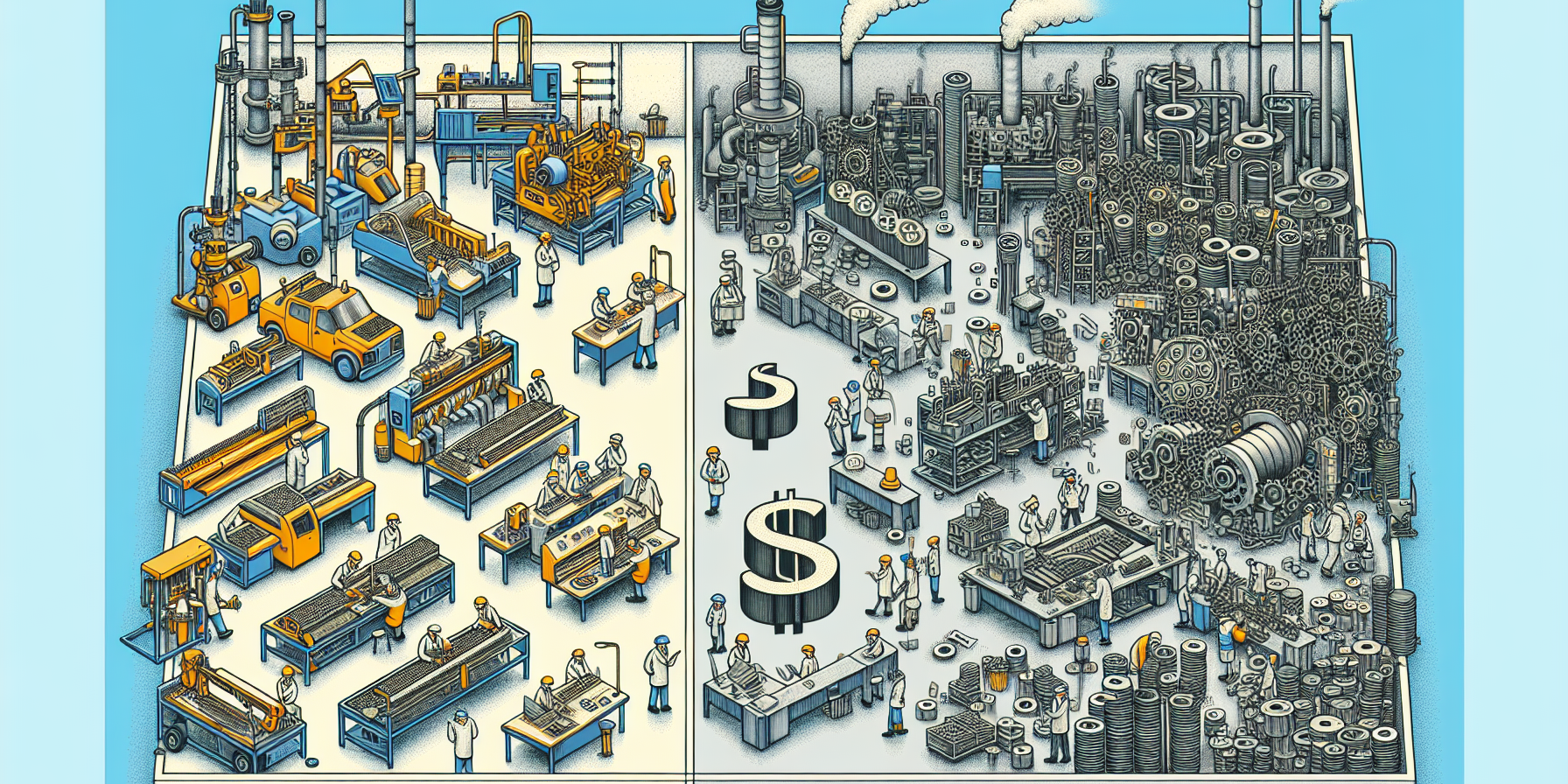
Cost of Quality in Manufacturing
When it comes to manufacturing processes, understanding and managing the cost of quality is essential for ensuring efficient production and maximizing profitability. Let’s delve into the definition, importance, and components of the cost of quality.
Definition and Importance of Manufacturing Cost of Quality
The manufacturing cost of quality refers to the total costs incurred by a company to prevent, detect, and rectify defects or issues in products or processes. It encompasses all expenses associated with maintaining high-quality standards and ensuring customer satisfaction. By effectively managing the cost of quality, manufacturers can enhance product reliability, reduce waste, and ultimately improve overall business performance.
Components of Cost of Quality
The cost of quality consists of four major components, each playing a crucial role in determining the overall quality expenses incurred by a manufacturing organization:
| Cost Component | Description |
|---|---|
| Prevention Costs | Prevention costs are expenses invested in activities aimed at preventing defects from occurring in the production process. This includes quality planning, training programs, process improvements, and supplier quality management. By implementing robust prevention measures, companies can minimize the likelihood of defects and enhance product quality. For more examples of prevention costs, refer to our article on quality costs examples. |
| Appraisal Costs | Appraisal costs are associated with evaluating and assessing the quality of products throughout the manufacturing process. This includes inspection, testing, and quality control measures to identify defects and deviations from quality standards. Appraisal costs are crucial for detecting issues early on and ensuring that products meet specified requirements. To learn more about the importance of appraisal costs, visit our article on appraisal costs in manufacturing. |
| Internal Failure Costs | Internal failure costs arise when defects are identified within the organization before products are delivered to customers. These costs include rework, scrap, and downtime caused by quality issues. Internal failure costs highlight inefficiencies in the production process and underscore the importance of effective quality control measures. Explore the impact of internal failure costs further in our article on internal failure costs. |
| External Failure Costs | External failure costs occur when defective products are identified after reaching customers, leading to recalls, warranty claims, customer complaints, and potential damage to the company’s reputation. External failure costs not only result in financial losses but also impact customer loyalty and brand credibility. Understanding the consequences of external failure costs is crucial for mitigating risks and maintaining customer trust. |
By comprehensively analyzing and managing these cost components, manufacturers can optimize their cost of quality, drive continuous improvement, and enhance competitiveness in the market. Understanding the intricacies of the cost of quality is pivotal for manufacturing plant managers and IT directors looking to streamline operations and integrate advanced technologies like AI into their production processes effectively.
Prevention Costs
In the realm of manufacturing, prevention costs play a vital role in ensuring product quality and minimizing defects. Let’s delve into the definition of prevention costs, explore examples to provide clarity, and emphasize the significance these costs hold in the manufacturing process.
Definition and Examples
Prevention costs encompass the expenses incurred to prevent defects and quality issues from arising in the production or manufacturing process. These proactive expenditures are aimed at identifying and mitigating potential quality problems before they escalate, ultimately saving resources in the long run.
Here are some examples of prevention costs commonly encountered in manufacturing:
| Prevention Cost Type | Examples |
|---|---|
| Training | Employee training on quality standards and processes |
| Quality Planning | Developing and implementing quality control plans |
| Design Reviews | Ensuring product designs meet quality specifications |
| Supplier Quality Assurance | Monitoring and evaluating suppliers for quality compliance |
| Process Improvement | Continuous improvement initiatives to enhance production processes |
Significance of Prevention Costs
Prevention costs are not just expenses; they are investments in quality and efficiency. By allocating resources to prevent defects early in the manufacturing cycle, companies can avoid costly rework, scrap, and warranty claims down the line. Emphasizing prevention costs showcases a commitment to producing high-quality products and fosters a culture of quality consciousness within the organization.
Manufacturers recognize that investing in prevention costs leads to better overall product quality, customer satisfaction, and operational performance. It is a proactive approach that serves as a foundation for achieving optimal quality standards and reducing the total cost of quality in the long term. For a comprehensive analysis of different quality cost categories, refer to our article on quality cost categories.
By understanding the essence of prevention costs, manufacturers can strategically allocate resources to prevent defects, improve processes, and uphold quality standards throughout the production journey. Implementing robust prevention strategies not only enhances product quality but also paves the way for operational excellence and customer trust within the manufacturing industry.
Appraisal Costs
In the realm of manufacturing, appraisal costs play a pivotal role in ensuring the quality and reliability of products. Let’s delve into the definition, examples, and the significance of appraisal costs within manufacturing operations.
Definition and Examples
Appraisal costs encompass the expenses incurred to assess the conformance of products and processes to quality standards. These costs are associated with activities such as inspections, testing, audits, and quality control measures aimed at detecting any deviations or defects early in the production process to prevent further issues downstream.
Examples of appraisal costs include:
| Type of Cost | Description |
|---|---|
| Inspection Costs | Expenses related to examining products for defects or non-conformities. |
| Testing Costs | Costs associated with conducting various tests to ensure product quality. |
| Quality Audit Costs | Expenses for conducting internal and external quality audits. |
| Supplier Evaluation Costs | Costs incurred in evaluating and qualifying suppliers based on quality standards. |
Importance of Appraisal Costs
Appraisal costs are essential in maintaining the quality standards set by a manufacturing organization. By investing in appraisal activities, companies can identify and rectify defects early in the production process, minimizing the likelihood of producing faulty products that could lead to rework, scrap, or customer dissatisfaction.
Moreover, robust appraisal processes can help in enhancing overall product quality, streamlining production efficiency, and reducing the risk of costly recalls or warranty claims. By allocating resources to appraisal costs, manufacturers can instill confidence in their products’ reliability and consistency, thereby fostering customer trust and loyalty.
For more insights into the different components of the cost of quality in manufacturing, explore our article on manufacturing cost of quality. Understanding and optimizing appraisal costs is a crucial step towards achieving a comprehensive cost of quality strategy that drives sustainable success in manufacturing operations.
Internal Failure Costs
In the realm of manufacturing, internal failure costs are a critical aspect of the overall cost of quality. Understanding what internal failure costs entail, along with their examples and impact, is essential for manufacturing plant managers and IT directors looking to optimize their production processes.
Definition and Examples
Internal failure costs refer to the expenses incurred due to product defects that are identified before the product reaches the customer. These costs can arise from rework, scrap, retesting, and material downgrades. By addressing and rectifying the defects internally, organizations aim to prevent these issues from reaching the end consumer and maintain product quality standards.
Here are some examples of internal failure costs within a manufacturing setting:
| Internal Failure Cost Examples |
|---|
| Rework costs |
| Scrap materials |
| Machine downtime for retesting |
| Labor costs for defect rectification |
| Replacement of non-conforming parts |
Understanding these examples can help organizations identify areas where internal failure costs may be impacting their bottom line and quality standards. For more insights into quality cost examples, refer to our article on quality costs examples.
Impact of Internal Failure Costs
The impact of internal failure costs extends beyond financial implications and can significantly affect production efficiency and overall quality. When internal failures occur frequently, they can lead to production delays, decreased productivity, and a tarnished reputation for the organization.
By analyzing and addressing the root causes of internal failures, manufacturing plants can enhance their processes, reduce waste, and improve product quality. Investing in preventative measures and quality assurance practices can help mitigate internal failure costs, ultimately leading to more efficient operations and higher customer satisfaction levels.
To delve deeper into the consequences of internal failure costs and how they can be mitigated, it’s essential to conduct a thorough cost of quality analysis and explore effective quality cost categories models. Implementing these strategies can pave the way for achieving optimal cost of quality and enhancing overall manufacturing performance.
Digitize your manufacturing process 10x faster at one-tenth the cost
 Instantly create & manage your process Use AI to save time and move faster Connect your company’s data & business systems
External Failure Costs
In the realm of manufacturing, external failure costs play a crucial role in assessing the overall impact on the quality control process. Understanding what external failure costs entail and their repercussions is essential for maintaining a robust quality management system.
Definition and Examples
External failure costs refer to the expenses incurred when defective products reach customers or the market, leading to customer complaints, returns, and potential reputation damage. These costs are significant, as they not only involve monetary losses but also impact customer satisfaction and brand credibility.
Examples of external failure costs include:
| Cost Category | Description |
|---|---|
| Product Returns | Costs associated with customers returning defective products for replacements or refunds. |
| Warranty Claims | Expenses related to honoring warranties on products that fail to meet quality standards. |
| Recall Campaigns | Costs incurred when products are recalled from the market due to safety or quality issues. |
| Legal Penalties | Fees and fines resulting from product liability lawsuits due to defective products. |
| Customer Loyalty | Losses in customer trust and loyalty following negative experiences with faulty products. |
Consequences of External Failure Costs
The consequences of external failure costs extend beyond immediate financial burdens. They can have a lasting impact on a company’s reputation, customer relationships, and market position. Mishandling external failures can lead to long-term damage that may be difficult to recover from.
Some of the key consequences of external failure costs include:
- Brand Reputation Damage: Customer dissatisfaction due to quality issues can tarnish a company’s reputation and erode consumer trust.
- Reduced Customer Loyalty: Negative experiences with faulty products can result in decreased customer loyalty and repeat business.
- Financial Losses: Expenses from external failure costs contribute to decreased profitability and increased operational expenses.
- Legal Ramifications: Product defects that lead to customer harm can result in costly legal battles and settlements.
- Market Share Erosion: Competitors may capitalize on quality failures, leading to a loss of market share and competitiveness.
By understanding the definition and examples of external failure costs, manufacturing entities can proactively address quality issues and implement measures to mitigate the impact of such costs. Prioritizing quality control measures and product testing can help prevent external failures and safeguard the company’s reputation and bottom line.
Achieving Optimal Cost of Quality
In the realm of manufacturing, achieving an optimal cost of quality is paramount for business success. This involves implementing strategies to reduce costs and incorporating quality improvement initiatives that enhance overall efficiency and effectiveness.
Strategies for Reducing Costs
Reducing costs in manufacturing requires a systematic approach that addresses various aspects of the production process. By focusing on cost-saving strategies, organizations can optimize their cost of quality and improve their bottom line. Here are some key strategies for reducing costs in manufacturing:
| Strategy | Description |
|---|---|
| Lean Manufacturing | Implementing lean principles to eliminate waste and improve efficiency throughout the production process. |
| Six Sigma | Applying Six Sigma methodologies to reduce defects and variation in manufacturing processes. |
| Supply Chain Optimization | Streamlining the supply chain to minimize costs and enhance collaboration with suppliers. |
| Automation | Introducing automation technology to increase productivity, reduce labor costs, and enhance product quality. |
| Continuous Improvement | Establishing a culture of continuous improvement to identify and address inefficiencies in manufacturing operations. |
| Vendor Management | Developing strong relationships with vendors to negotiate better pricing and terms for raw materials and components. |
By adopting these strategies and customizing them to fit the specific needs of the manufacturing organization, companies can drive down costs and enhance the overall efficiency of their operations.
Implementing Quality Improvement Initiatives
Quality improvement initiatives play a crucial role in optimizing the cost of quality in manufacturing. By focusing on enhancing product quality and minimizing defects, organizations can realize cost savings and improve customer satisfaction. Here are some key initiatives that can help drive quality improvements in manufacturing:
| Initiative | Description |
|---|---|
| Total Quality Management (TQM) | Implementing a comprehensive quality management approach that involves all employees in the pursuit of continuous improvement. |
| Statistical Process Control (SPC) | Using statistical tools to monitor and control production processes, identify variations, and maintain quality standards. |
| Root Cause Analysis | Identifying the root causes of quality issues and implementing corrective actions to prevent recurrence. |
| Quality Audits | Conducting regular audits to evaluate compliance with quality standards and identify areas for improvement. |
| Continuous Training | Providing ongoing training to employees to enhance their skills and knowledge, enabling them to contribute to quality improvements. |
| Customer Feedback Loop | Establishing a feedback mechanism to gather customer input and incorporate it into quality enhancement initiatives. |
By embracing these quality improvement initiatives and integrating them into the manufacturing processes, organizations can elevate their standards, reduce costs, and deliver products that meet and exceed customer expectations.
Digitize your manufacturing process 10x faster at one-tenth the cost
Instantly create & manage your process Use AI to save time and move faster Connect your company’s data & business systems
