


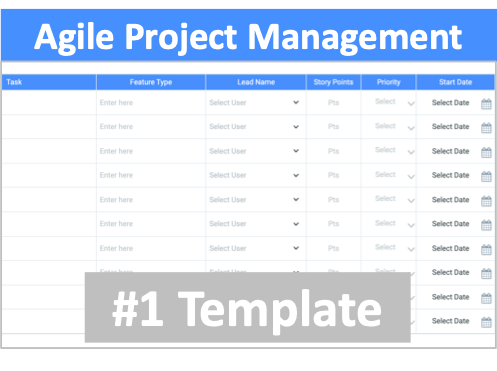
Agile Project Management requires both quick feedback and adaptation in order to ensure effective project iterations. When applied to product development, innovation, or other processes that involve customers, agile development and management improves customer satisfaction (because customer needs are constantly being taken into consideration) and competitive advantage (because the project is developed to meet the demands of the changing environment in real time). Agile Project Management allows the organization’s resources to be effectively used as the goal of each iteration is clear, helping to ensure all resources are put toward addressing the issues of each stage. This helps to minimize the amount of time and money spent on the project.
Typically, the project manager is responsible for determining the magnitude of the project, its cost and quality, the individuals who will be involved on the project team, and the level of risk associated with the endeavor. Agile Project Management often divides these responsibilities among different individuals: two project leaders and the remaining team members.
- The first individual is responsible for setting the larger project goals as well as making the necessary adjustments to meet the ever-changing demands of the market. Determining the larger project goals also involves establishing what features the project will have that will enable those goals to be met. Finally, this individual is in charge of managing the challenge of meeting these goals while also creating and sticking to the project schedule.
- The second individual is primarily responsible for removing any hindrances to project completion. Additionally, this individual manages the daily schedule of the project team members, specifically helping to prioritize the day-to-day tasks of each group member.
- The project team members are responsible for completing their assigned tasks and monitoring and reporting project process, specifically the progress of each project stage. Additionally, each team member needs to report and manage any quality issues that threaten the success of the project, which involves carefully monitoring the project details.